
A new perspective is emerging in the power sector: the strongest energy systems aren’t built one project at a time, they’re built as connected portfolios.
A recent POWER Magazine analysis, “How AI Enables Multigenerational Power Planning, and Why You Need It,” outlines why the era of isolated, single site energy projects is ending. Instead, developers are shifting toward multigenerational planning: a strategy where each project builds on the last, sharing data, supply chains, permitting insights, and talent. It’s not just efficient, it’s transformative.
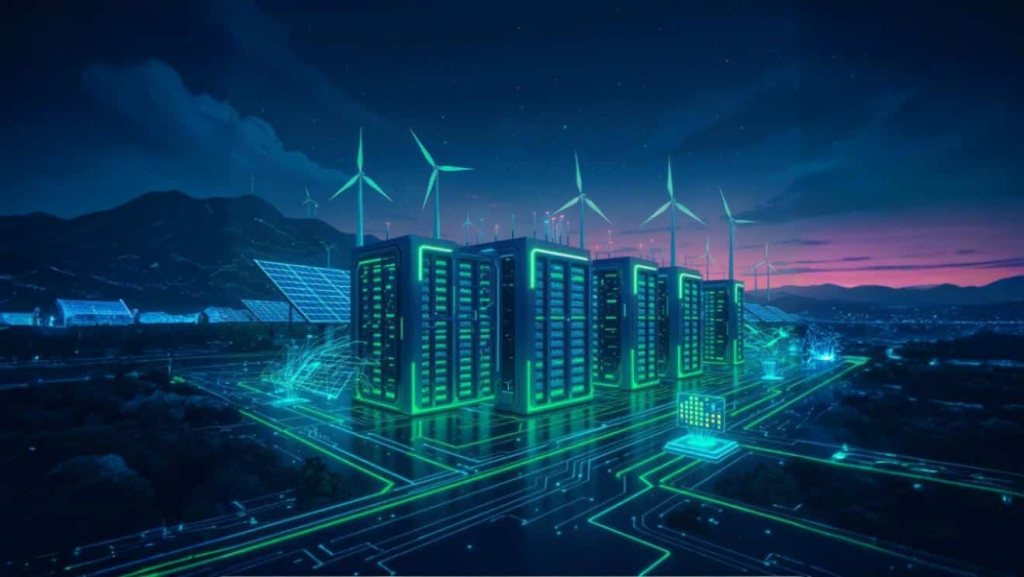
What Multigenerational Planning Means
Traditional projects are treated as standalone efforts. But today’s rising load, from AI, manufacturing, and electrification, demands scale and speed that one off builds simply can’t deliver.
POWER Magazine highlights how AI and digital tools now allow developers to:
- Design repeatable project models
- Create resilient supply chains across multiple builds
- Shorten delivery timelines through shared workflows
- Reduce risk by applying lessons learned across an entire project series
This approach mirrors how tech companies build products, iteratively and at scale, rather than starting from scratch each time.
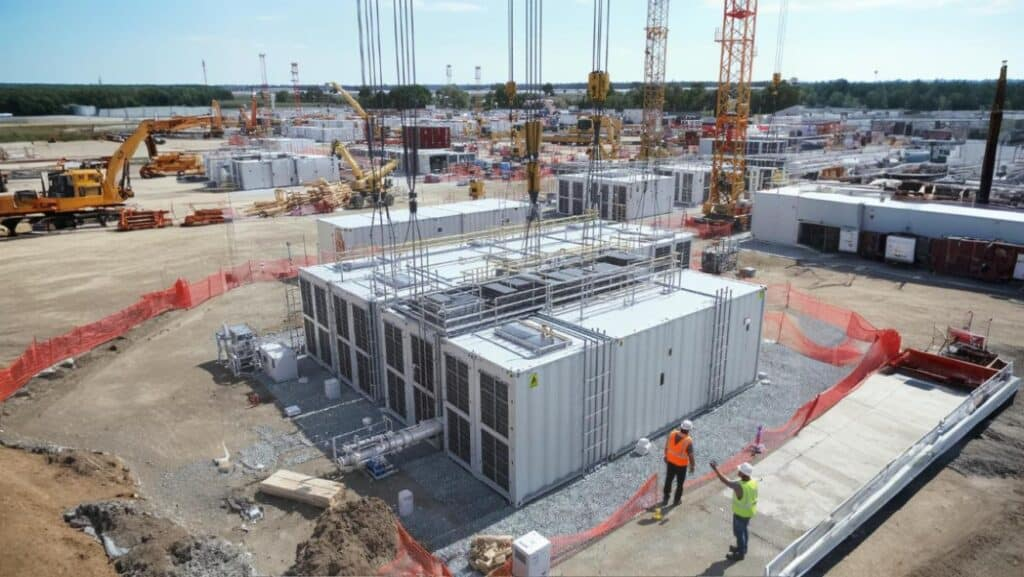
Smartland Energy’s Alignment
Smartland Energy has already adopted this systems first mindset. When we evaluate sites, fuel access, community needs, and infrastructure pathways, we’re not looking at a single project in isolation, we’re looking at how a cluster of projects can work together over time.
This creates:
- Faster delivery of reliable power
- Better cost control
- Stronger alignment with communities and local markets
- A clearer roadmap for long-term growth
Why It Matters Now
The U.S. grid is under unprecedented pressure. AI data centers, industrial reshoring, and electrification are increasing demand faster than utilities can build generation. The developers who succeed will be those who think in systems, not silos.
Multigenerational planning isn’t just a new method. It’s becoming a competitive advantage.