
Two recent reports point to the same policy direction in Washington: large AI data centers may soon be expected to pay their own way, covering not only electricity usage, but also the broader infrastructure impacts tied to reliability and, in some cases, water usage.
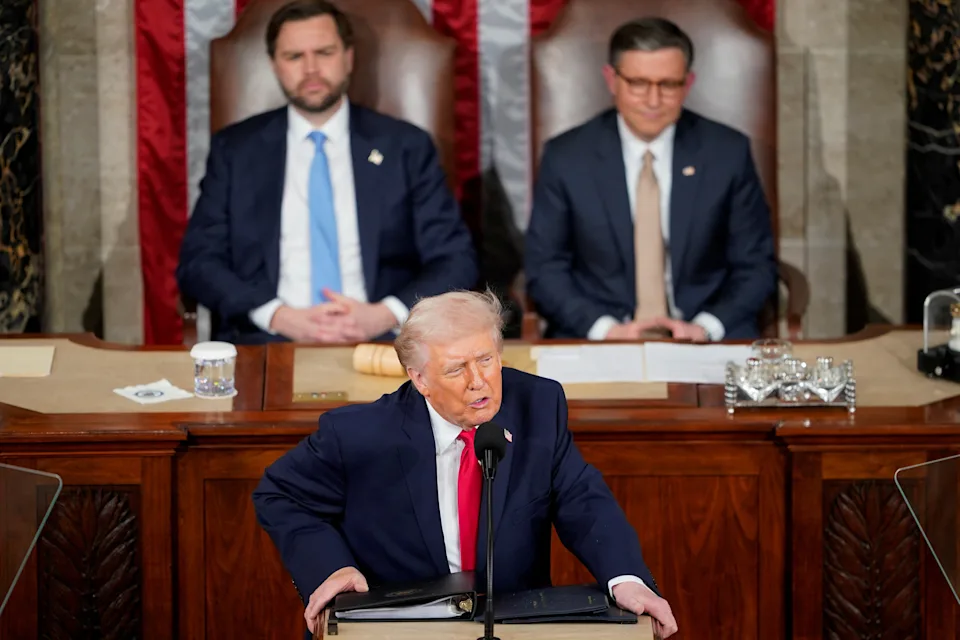
The Trump administration has framed this as a “ratepayer protection” approach. The basic idea is simple: if hyperscalers are adding massive new load to an already stressed grid, they should help fund the generation and upgrades required to support it, rather than shifting those costs onto households.
What’s Being Discussed
While details are still developing, the themes are consistent:
- Bring your own power: data centers may be pushed toward dedicated or behind-the-meter supply
- Pay for resiliency: large loads may be required to fund reliability and upgrade costs
- Water accountability: cooling-driven water use is increasingly part of the conversation
- PJM focus: policymakers are exploring mechanisms that could tie interconnection and service to new generation funding and long-term power contracting
Why This Matters
U.S. data center electricity demand has surged, with estimates suggesting it doubled from 2018 to 2024 and could triple by 2028. Meanwhile, capacity costs in markets like PJM have risen sharply, putting pressure on both the grid and consumer bills.
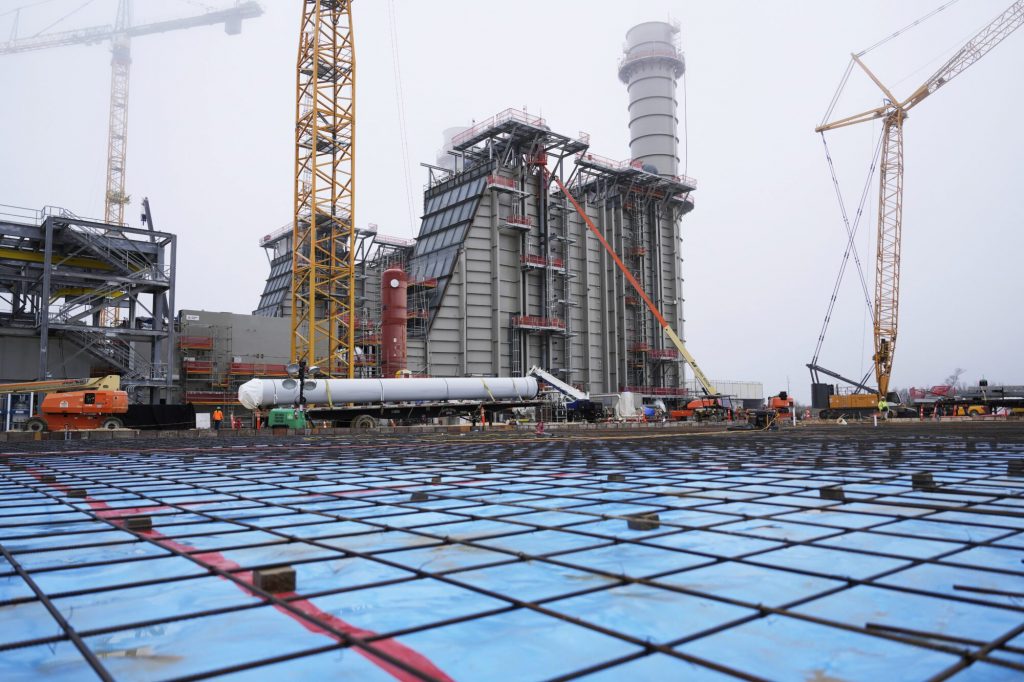
If “bring your own power” becomes a real market expectation, it accelerates a structural shift: power built alongside the load becomes the default, not the exception.
What It Means for Smartland Energy
This policy direction strengthens the case for Smartland Energy’s long term focus. As large users are pushed to secure dedicated supply and finance reliability, the market expands for developers who can deliver:
- behind-the-meter power strategies
- projects designed around speed-to-power and reliability
- infrastructure that scales with data center and industrial growth
Smartland Energy continues tracking how policy and market design are evolving, because it directly shapes where demand will go, and how new power customers will be served in the next phase of AI expansion.